
 Nā Hora Kairangi Nicholas tēnei atikara
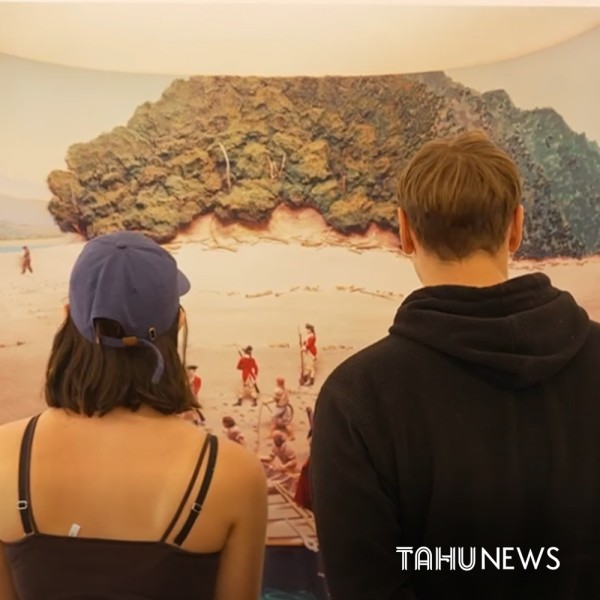
An exhibition featuring eight Māori photographers from across Aotearoa has arrived in Ōtautahi, coinciding with the Māori Camera Club's first Te Waipounamu wānanga.
"It gives you a real showcase of emerging to maybe mid-career photographers in their mahi," says Physics Room director and curator James Tapsell-Kururangi.
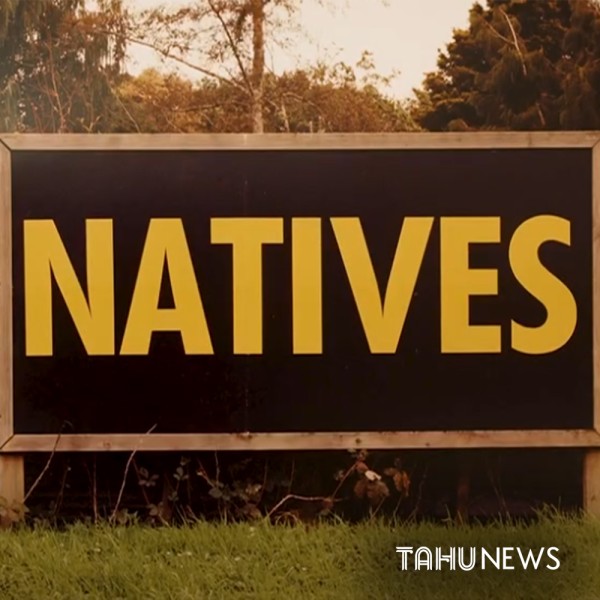
Hosted at The Physics Room, the exhibition showcases work by Hendrix Hennessy-Ropiha, Keita Newbery, Ben Girven, Abigail Hau, Tiana Krafft-Soffe, Vanessa Green, Renati Waaka and Jazmin Tainui Mihi. Together, their works explore whakapapa, whenua, identity, environmental relationships and contemporary Māori life through photography, moving image and experimental image-making.
The collective was founded in 2025 by photographers Conor Clarke (Ngāi Tahu) and Bridget Reweti (Ngāti Ranginui, Ngāi Te Rangi) following their exhibition Site Seeing at the National Library in Wellington. What began as a gathering of Māori photographers has since developed into a growing network of practitioners from around the country, creating opportunities for photographers who are often working in isolation within their own rohe.
"There's such a variety in practice here, but it's all sort of underpinned by our te ao Māori, our culture," says Girven.
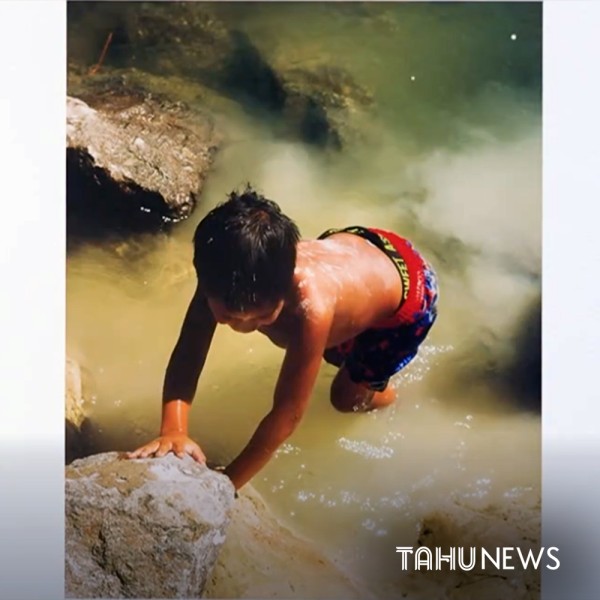
One of the featured artists is Ben Girven, whose work pushes beyond conventional photography. Guided by maramataka methodologies, Girven creates camera-less photograms directly in awa and other natural environments. Rather than documenting the landscape, his process uses light, water and whenua to produce the image itself, placing te taiao at the centre of the creative practice.
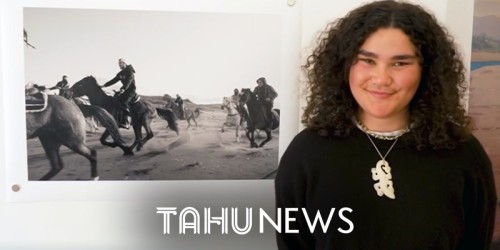
That diversity is reflected throughout the exhibition. Jazmin Tainui Mihi's work celebrates rangatahi Māori and the horse-riding culture of rangatahi in her Opōtiki community, while Renati Waaka's photography explores Māori identity through personal narratives and contemporary visual culture. Tiana Krafft-Soffe combines movement, sound and moving image to explore Māori cosmology, while Abigail Hau's photography is grounded in relationships with whenua and environmental stewardship.
“This Māori Camera Club, how that all came about was a much better idea than just us doing a boring old talk in the gallery,” said Conor Clarke.
Alongside the public exhibition, photographers from across the motu have spent the weekend at Rehua Marae for the collective's second wānanga. The programme includes presentations from established photographers, discussions around digital sovereignty, visits to Ngāi Tahu collections and opportunities for members to share their own work and practice.
The gathering marks the first time the club has brought its wānanga to Te Waipounamu, a move organisers say reflects the importance of connecting photographers with different communities, histories and creative practices throughout the country. For participants, the weekend was as much about building relationships as it was about developing technical skills.
"It's just also fun to be around your own people, sharing stories and understanding a wider perspective of te ao Māori through photography," says Jazmin Tainui Mihi.
For Tapsell-Kururangi, the exhibition also highlights photography's longstanding role within Māori communities, both as a tool for creative expression and a way of documenting people, places and movements.
"Photography can be such a powerful tool, not only to represent Māori, but also to be hand in hand with the movements of our sovereignty."
The Māori Camera Club exhibition is showing at The Physics Room until December 4, with the Ōtautahi wānanga bringing together photographers from across Aotearoa to share knowledge, develop their practice and strengthen Māori storytelling through the lens.
|
|
|