
 Nā Shakayla Andrews-Alapaki tēnei atikara.
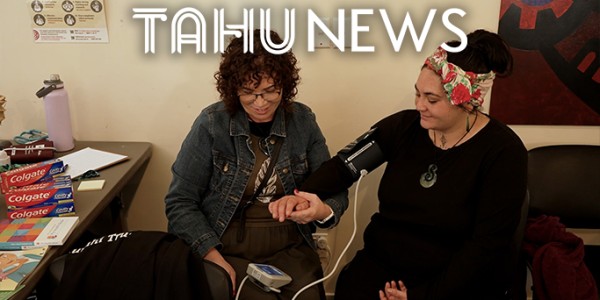
For Wairewa resident Bonnie Garner, a simple health check once meant travelling out of her community to access services. Now, a new mobile health clinic is bringing healthcare directly to her marae, Wairewa.
Te Pātaka Ora has launched a mobile health clinic for whānau across Te Pātaka o Rākaihautū (Banks Peninsula), with the service rotating between the region's four marae: Wairewa, Ōnuku, Koukourārata and Rāpaki.
Garner was among those attending the clinic's first stop at Wairewa Marae and said the convenience made a significant difference.
"I actually just had my blood pressure taken, which was probably the first time in over a year," she said.
"A lot of us, especially living out here, don't see health professionals until we are sick or really need something."
The initiative aims to address one of the biggest barriers facing rural whānau, distance.
More than 400 Māori whānau live throughout Te Pātaka o Rākaihautū, but many must travel to Akaroa or Ōtautahi to access health services. For residents of Wairewa, that journey can take between 30 and 40 minutes.
Te Pātaka Ora spokesperson Michael Wilson says the clinic was developed to ensure healthcare is available closer to home.
"A big part of the motivation came from the funding changes that have happened over the recent past," Wilson said.
"The removal of some support services reduced access for whānau, so we wanted to help bridge that gap."
The mobile clinic will initially provide familiar services while organisers continue to gather feedback from the community.
"To start with, we're keeping things consistent so whānau know what they're turning up to," Wilson said.
"We're continuing to listen to whānau and hear what they need and what they're missing out on."
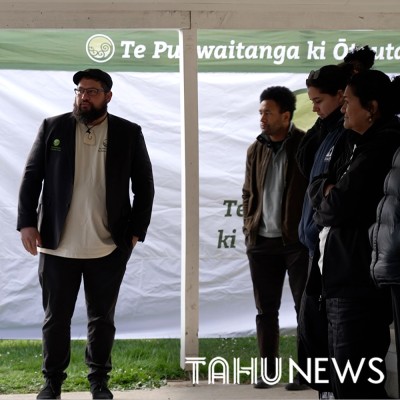
The project is supported by Te Puawaitanga ki Ōtautahi, Waitaha Health and Pegasus Health, bringing together a range of providers under one kaupapa.
James Tawa, General Manager Tikanga of Te Puawaitanga says collaboration is key to ensuring whānau can access a broad range of support.
"Kua mauria mai mātou ngā kaupapa vaccinations, te tamaiti healthy homes, kua mauria mai ngā kaupapa o Rapuora, chronic illness, tautoko ki ērā kaupapa, respiratory illness, koinei ētahi o ngā kaupapa, ngā kaitūwhana hoki.”
For Garner, having those services available locally removes a major obstacle and could encourage more people to take charge of their wellbeing.
"I just live down the road, so it was really easy," she said.
"It made it really easy, and I hope a lot more whānau jump on board and come down and utilise this."
The clinic's next stop will be Ōnuku Marae on September 14, before travelling to Koukourārata and Rāpaki in the weeks that follow.
|

|
|
Ko ngā kainoho o Wairewa, pēnei i a Bonnie Garner, ki te hiahia ia i tētahi ratonga hauora, me puta ia i tōna hāpori kia tae atu. Inaianei, e whakatata ana tēnei ratonga hauora hōu ki runga i tōna marae, o Wairewa.
Kua whakatūria e Te Pātaka Ora i tētahi whare haumaru mō ngā whānau e noho ana kei Te Pātaka o Rākaihautū, ā, e huri haere ana tēnei kaupapa ki ngā marae e whā o te takiwā nei. Ko Wairewa, ko Ōnuku, ko Koukourārata, ka mutu, ko Rāpaki ngā marae.
Ko Garner tētahi i tae atu ki te taunga tuatahi o te whare haumaru ki tōna marae o Wairewa, ko tāna, , nā te ngāwari o te uru atu i tino whai hua ai te kaupapa.
"I actually just had my blood pressure taken, which was probably the first time in over a year," hei tāna.
"A lot of us, especially living out here, don't see health professionals until we are sick or really need something."
Ko te whainga o tēnei kaupapa, ko te whakakore i tētahi ārai nui mō ngā whānau taiwhenua, ko te tawhiti.
Neke atu i te 400 o ngā whānau Māori e noho ana kei Te Pātaka o Rākaihautū, heoi me taraiwa ngā whānau ki ngā whare hauora kei Akaroa, kei Ōtautahi. Mō ngā whānau o Wairewa, he 30 ki te 40 miniti te tawhiti.
Hei tā Michael Wilson nō Te Pātaka Ora, i whanake mai tēnei whare haumaru kia pātata mai ngā āheinga hauora ki te kāinga.
"A big part of the motivation came from the funding changes that have happened over the recent past," hei tā Wilson.
"The removal of some support services reduced access for whānau, so we wanted to help bridge that gap."
Ka whakatō te whare haumaru i te tuatahi i ngā ratonga kua mōhiotia nuitia e te hapori, i a ngā kaiwhakarite e kohikohi tonu ana i ngā urupare mai i te iwi whānui.
"To start with, we're keeping things consistent so whānau know what they're turning up to," hei tā Wilson
"We're continuing to listen to whānau and hear what they need and what they're missing out on."
Kua piri mai a Te Puawaitanga ki Ōtautahi, Waitaha Health me Pegasus Health ki tēnei kaupapa, e mauria ana i ngā ratonga maha i raro i te kaupapa kōtahi.
Ko tā James Tawa, nō Te Puawaitanga ki Ōtautahi, ko te mahi ngātahi te aronga matua, kia āhei ngā whānau ki te riro i ngā āheinga maha.
"Kua mauria mai mātou ngā kaupapa vaccinations, te tamaiti healthy homes, kua mauria mai ngā kaupapa o Rapuora, chronic illness, tautoko ki ērā kaupapa, respiratory illness, koinei ētahi o ngā kaupapa, ngā kaitūwhana hoki.”
E ai ki a Garner, mā te whakatū i ēnei kaupapa, ka whakakore i te ārai nui, ā, he akiaki ki ngā whānau kia tiakina tā rātou hauora.
"I just live down the road, so it was really easy," hei tāna.
"It made it really easy, and I hope a lot more whānau jump on board and come down and utilise this."
Hei te 14 o Hepetema, ka tau atu te whare haumaru nekeneke ki te marae o Ōnuku i mua i tana hūnuku ki Koukourārata, ki Rāpaki hei ngā wiki e kainamu mai nei.