
Nā Hora Kairangi Nicholas tēnei atikara.
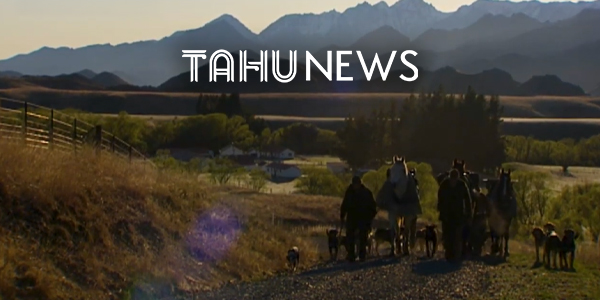
For Ngāti Kurī, becoming the preferred operator of Molesworth Station is about far more than managing New Zealand's largest high-country farm.
The Department of Conservation has selected Ngāi Tahu Farming as its preferred operator for the 180,000-hectare Molesworth Recreation Reserve, a decision that could see Ngāti Kurī restore its role as kaitiaki of Rangitahi while showcasing a model of regenerative farming grounded in te ao Māori.
The appointment is not yet final. Ngāi Tahu Farming must still complete the concession process before formally taking over management of the station.
For Te Rūnanga o Kaikōura Chair Hariata Kahu, however, the announcement marks the culmination of years of work.
"This isn't something that's come up over the last two years that they've been going for the tender," she says. "This has been eight to nine years of a long, hard slog."
Kahu said the opportunity would allow Ngāti Kurī to demonstrate that commercial farming could sit alongside environmental restoration, cultural values and long-term stewardship of the whenua.
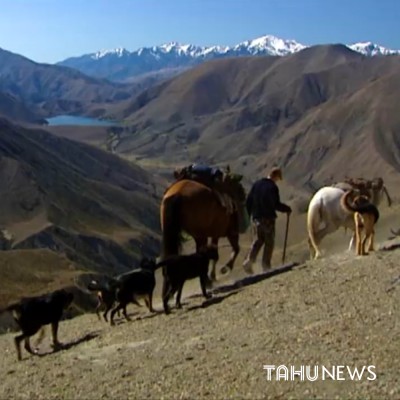
That vision extends beyond farming production. Rangitahi has long been recognised by Ngāti Kurī as an important mahinga kai, a cultural landscape and a traditional route linking Kaikōura with Te Tai Poutini. Kahu said the goal was to see Ngāti Kurī people back on the whenua, caring for it according to tikanga while creating opportunities for future generations.
"It's our people utilising the whenua like we used to. It's our people being employed by Kāi Tahu to follow the tikanga within this whenua. That's my ultimate mark of success” says Kahu.
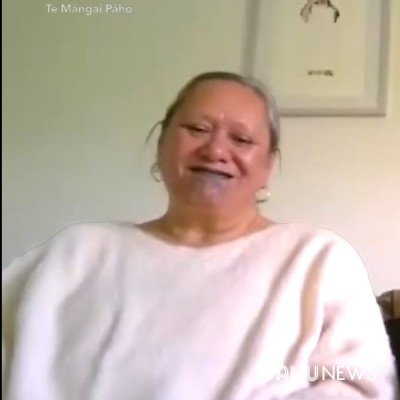
She was also quick to acknowledge the work of their Pou Taiao at Te Rūnanga o Kaikōura, Lorraine Hawke, whose environmental planning has helped shape the rūnanga's vision for Rangitahi.
"Our goal is to have our own people involved in pest control and weed control," Hawke says restoring the whenua means creating jobs for whānau, strengthening biodiversity and ensuring the benefits of the station flow back to Ngāti Kurī.
"It was also about increasing access into Rangitahi Molesworth... there's actual economic benefit to Kurī, to Ngāi Tahu."
The rūnanga also wants visitors to become part of that restoration effort. Kahu joked that travellers heading through Molesworth could one day be encouraged to help tackle invasive weeds such as wilding pines and gorse.
"Why don't you grab a spade as well?" she laughed.
"That could be their koha," Pou Ahurea, Maurice Manawatu added.
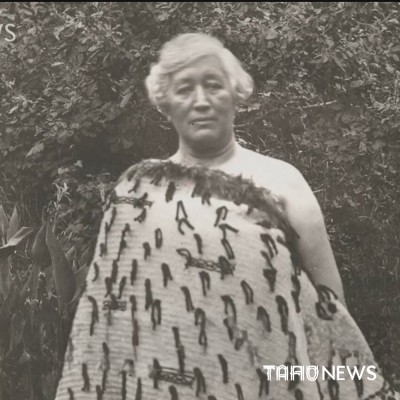
For Manawatu, the preferred operator announcement is also deeply personal. He said it builds on the legacy of his ancestor Hariata Beaton, who spent decades fighting to protect Ngāti Kurī whenua through the creation of Māori reserves.
"In our generation we have other tools that we've been able to use, and we're just following in her footsteps.” The concession process, Manawatu said, represents another way of protecting the whenua for future generations.
Te Rūnanga o Ngāi Tahu CEO, Ben Bateman said the organisation already manages more than 100,000 hectares across Te Waipounamu is well placed to balance commercial farming with its responsibilities as kaitiaki.
“That's something we're really excited to do, is to bring our farming expertise into what is a real asset for the country” said Bateman.
Bateman added that maintaining public access to Molesworth would remain a priority under any future concession.
"It's the biggest high-country farm in New Zealand. All eyes will be watching us." Hariata Kahu acknowledges expectations will be high if Ngāi Tahu Farming formally takes over management of Molesworth but she believes that presents an opportunity to demonstrate a distinctly Ngāi Tahu approach to farming.
"We've recognised over the years that the environmental, cultural and historical values of this place are just as significant as the farming itself", Kahu said.
The Department of Conservation confirmed last week that Ngāi Tahu Farming has been selected as the preferred operator and will now be invited to apply for a concession to undertake farming operations on the conservation reserve.
If approved, Ngāi Tahu Farming would become responsible for managing one of Aotearoa’s high-country landscapes.
|
|
|
Ko tā Ngāti Kurī, ehara te tū hei kaiwhakahaere mō Molesworth Station i te whai pāmu nui noa iho. Engari, he ara e hoki atu ai te iwi ki tōna tūranga hei kaitiaki o Rangitahi.
Kua kōwhiria e Te Papa Atawhai a Ngāi Tahu Farming hei kaiwhakahaere e manakohia ana mō Molesworth Recreation Reserve, he whenua e 180,000 heketea te rahi. Mēnā ka tutuki pai te tukanga, ka whai wāhi a Ngāti Kurī ki te whakahoki i tōna mana hei kaitiaki ki Rangitahi.
Heoi anō, kāore anō kua puta te whakatau. Me whakaoti tonu e Ngāi Tahu Farming te tono whakaaetanga i mua i te whai mana whakahaere o te whenua.
E ai ki te Heamana o Te Rūnanga o Kaikōura, a Hariata Kahu, he hua tēnei nō ngā tau maha e whakapau kaha ana. "This isn't something that's come up over the last two years that they've been going for the tender. This has been eight to nine years of a long, hard slog."
Hei tā Kahu, mā tēnei whai wāhitanga ka taea e Ngāti Kurī te whakaatu i ngā hononga o te ahuwhenua me te tiaki taiao.
Nō neherā he wāhi mahinga kai a Rangitahi, ā, he ara tawhito hoki e hono ana i a Kaikōura ki Te Tai Poutini. Ko te wawata a Kahu, kia hoki anō ngā uri o Ngāti Kurī ki runga i tō rātou whenua, kia tiakina ai i raro i ngā tikanga, ā, kia hua mai ai he oranga mō ngā uri whakatipu.
"It's our people utilising the whenua like we used to. It's our people being employed by Kāi Tahu to follow the tikanga within this whenua. That's my ultimate mark of success."
I whai wā hoki a Kahu ki te mihi ki te Pou Taiao o Te Rūnanga o Kaikōura, ki a Lorraine Hawke, mō tana kaha ki te ārahi i te whakawhanaketanga o te tirohanga taiao mō Rangitahi.
Hei tā Hawke, ko te whakaora i te whenua he whakaora anō i te iwi. "Our goal is to have our own people involved in pest control and weed control."
Hei tāna, ko tētahi whāinga nui kia whānui ake te whai wāhi atu o te tangata ki Rangitahi, me te whakarite hoki kia hoki mai ngā hua ki a Ngāti Kurī me Ngāi Tahu.
"It was also about increasing access into Rangitahi Molesworth... there's actual economic benefit to Kurī, to Ngāi Tahu."
E hiahia ana anō te rūnanga kia whai wāhi mai ngā manuhiri ki ngā mahi whakaora i te whenua. I whakakatakata a Kahu, tērā pea ka tonoa ngā tāngata e haere ana mā Molesworth kia hari mai he kō hei āwhina ki te whakakore i ngā paina horapa me te taru gorse.
"Why don't you grab a spade as well?"
Hei tā te Pou Ahurea o Te Rūnanga o Kaikōura, a Maurice Manawatu: "That could be their koha."
Ki a Manawatu, he kaupapa whai tikanga tēnei nā te mea e whai tonu ana i te huarahi i paraia e tōna tūpuna, e Hariata Beaton, i whakapau kaha ki te tiaki i ngā whenua o Ngāti Kurī mā ngā whenua rāhui.
"In our generation we have other tools that we've been able to use, and we're just following in her footsteps."
Hei tāna, ko te tukanga whakaaetanga whakahaere tētahi atu huarahi hei tiaki i te whenua mō ngā whakatupuranga e tū mai nei.
Hei tā te Kaihautū o Te Rūnanga o Ngāi Tahu, a Ben Bateman, kua roa a Ngāi Tahu Farming e whakahaere ana i ngā pāmu whenua-teitei puta noa i Te Waipounamu, neke atu i te 100,000 heketea te rahi, nō reira e tika ana kia kawe i ngā kawenga o te kaitiakitanga me te ahuwhenua arumoni.
"That's something we're really excited to do, is to bring our farming expertise into what is a real asset for the country."
Hei tā Bateman, ka noho tonu te wātea o Molesworth ki te marea hei tino kaupapa mēnā ka whakawhiwhia te whakahaere ki a Ngāi Tahu Farming.
Ahakoa e mōhio ana a Kahu ka kaha te aro mai o te motu ki ngā mahi a Ngāi Tahu Farming, e whakapono ana ia he wā pai tēnei hei whakaatu i te āhua motuhake o te ahuwhenua a Ngāi Tahu.
"It's the biggest high-country farm in New Zealand. All eyes will be watching us."
Hei tāna, kua roa te iwi e mōhio ana kāore e mutu ngā uara o Rangitahi ki te ahuwhenua anake.
"We've recognised over the years that the environmental, cultural and historical values of this place are just as significant as the farming itself."
I tērā wiki, I whakapūmau a Te Papa Atawhai kua kōwhiria a Ngāi Tahu Farming hei kaiwhakahaere e manakohia ana, ā, ka tonoa rātou kia whai whakaaetanga mō ngā mahi ahuwhenua ki runga i te whenua nei.
Ki te whakaaetia, ka riro mā Ngāi Tahu Farming e whakahaere tētahi o ngā whenua teitei whakahirahira rawa atu o Aotearoa.