
 Nā Shakayla Andrews-Alapaki tēnei atikara.
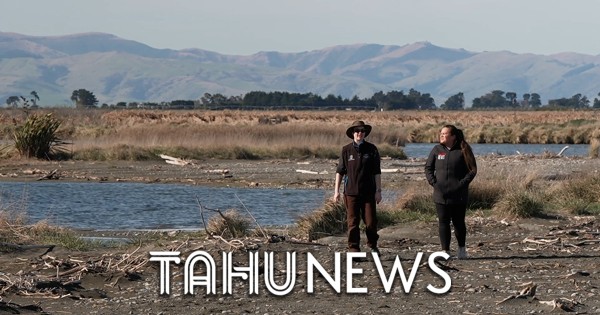
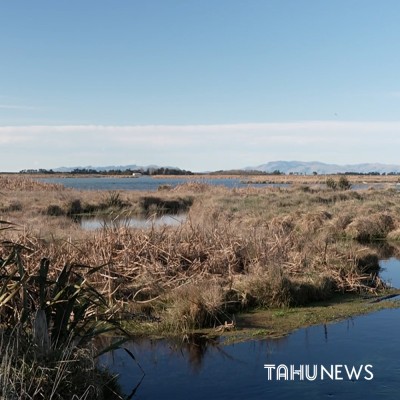
The restoration of Muriwai o Whata, a significant coastal wetland at Te Taumutu, is taking another step forward as mana whenua continue efforts to revive this culturally and environmentally important wāhi taonga, long treasured by Ngāi Te Ruahikihiki and deeply connected to their history and identity.
“Muriwai Ōwhata used to be known as a significant wetland for our tīpuna. It is challenged because we haven't paid attention. So now is the time to pay the attention,” Puamiria Parata-Goodall said.
According to Ngāi Tahu traditions, Muriwai o Whata is associated with the origins of tuna (eel). Tradition tells of Tuna-o-ruka-i-te-raki descending from the highest heavens and arriving at Muriwai o Whata, where the story of the different tuna species begins.
“We know from Peeti Hine Wetia, from her manuscripts in 1880, she retells us the story. Some of her opening lines are, ‘Ko Tuna te tangata nō runga i te rangi’. She talks about Tuna coming down from the heavens and the place he goes to is Muriwai o Whata,” Parata-Goodall said.
Although mahinga kai practices continued after the signing of Kemp's Purchase in 1848, environmental degradation and land loss gradually weakened the connection between the people of Taumutu and the wetland. The declining condition of Muriwai o Whata later formed part of the Ngāi Tahu Settlement Claim, with ownership of the lagoon bed returned to Ngāi Tahu in 1998.
A LIFELINE FOR THREATENED SPECIES
The current restoration project has received significant support from the Department of Conservation (DOC), which has contributed $521,733 towards the three-year programme.
DOC Mahaanui Operations Manager Andy Thompson said the project is unique within the region.
“It's the only project that has been funded in this part of the world for that rare ecosystem type, those lowland wetlands,” he said.
The restoration work will focus on pest control, biodiversity monitoring and protecting threatened species, including the Australasian bittern, or matuku hūrepo.
Thompson said the bird holds both ecological and cultural importance.
“The matuku are a little bit of an icon species for us at the Department of Conservation, but they also have a strong link into the cultural identity and some of the cultural narratives in this part of the world,” he said.
“The area is really important for them and provides great habitat. The work that has happened to date has cleared away a lot of the weeds, and this project focuses on predators, which is also going to really help that species.”
He added that the benefits of the project extend beyond birdlife.
“There are a lot of other species like tuna which will benefit from this, and tuna are actually a really important food source for the matuku as well.”
Restoring wetlands, restoring connections
For mana whenua, the significance of wetland restoration extends beyond biodiversity and species protection.
Parata-Goodall described wetlands as the “kidneys” of waterways, emphasising their role in improving water quality and supporting mahinga kai.
“If we can filter that water, provide habitat for our taonga species and improve water quality, then that has got to be good for our mahinga kai.”
As restoration efforts continue, mana whenua hope the project will not only revive a unique wetland ecosystem but also strengthen cultural connections, restore traditional food-gathering practices and reconnect future generations with Muriwai o Whata.
|
|
|
E anga whakamua ana te kaupapa whakarauora i a Muriwai o Whata, he repo takutai nui kei Te Taumutu, nā te kaha tonu o te mana whenua ki te whakaora i tēnei wāhi taonga whakahirahira ā-ahurea, ā-taiao hoki. He wāhi kua roa e poipoia ana e Ngāi Te Ruahikihiki, ā, e mau tonu ana tōna hononga ki ngā kōrero tuku iho me te tuakiri o te iwi.
Hei tā Puamiria Parata-Goodall, he wāhi hira a Muriwai Ōwhata mō ngā tīpuna o mua.
“Muriwai Ōwhata used to be known as a significant wetland for our tīpuna. It is challenged because we haven't paid attention. So now is the time to pay the attention,” hei tā Puamiria Parata-Goodall.
E ai ki ngā kōrero tuku iho a Ngāi Te Ruahikihiki, ko Muriwai o Whata tētahi wāhi e hono ana ki te heke mai o te tuna. E kōrerohia ana ko Tuna-o-ruka-i-te-raki i heke iho i ngā rangi tūhāhā, ā, i tau mai ki Muriwai o Whata. Ki reira ka tīmata ai ngā kōrero mō ngā momo tuna huhua.
“We know from Peeti Hine Wetia, from her manuscripts in 1880, she retells us the story. Some of her opening lines are, ‘Ko Tuna te tangata nō runga i te rangi’. She talks about Tuna coming down from the heavens and the place he goes to is Muriwai o Whata,” hei tā Parata-Goodall.
Ahakoa i mau tonu ngā mahi mahinga kai whai muri i te hokonga o Kemp's Purchase i te tau 1848, ka kino haere te taiao me te rironga o te whenua, i ngoikore ai te hononga o te iwi o Taumutu ki te repo. Nō muri mai ka noho te kino o Muriwai o Whata hei wāhanga o te Kerēme Whakataunga a Ngāi Tahu, ā, i whakahokia te hāpua ki a Ngāi Tahu i te tau 1998.
HE TAURA ORANGA MŌ NGĀ KARAREHE MŌREAREA
The current restoration project has received significant support from the Department of Conservation (DOC), which has contributed $521,733 towards the three-year programme.
Kua tautokona nuitia e Te Papa Atawhai (DOC) te kaupapa whakaora o Muriwai o Whata, nā rātou i whakatākohā atu te $521,733 ki te kaupapa, ā, e toru tau te roa.
Hei tā te Kaiwhakahaere Whakahaere o Mahaanui, a Andy Thompson, he kaupapa motuhake tēnei i roto i te rohe.
“It's the only project that has been funded in this part of the world for that rare ecosystem type, those lowland wetlands,” hei tāna.
Ko ngā aronga ko ngā mahi whakaora ki te aukati kīrearea, te aroturuki i te kanorau koiora, me te tiaki i ngā momo kua mōrearea, pērā i te matuku hūrepo.
“The matuku are a little bit of an icon species for us at the Department of Conservation, but they also have a strong link into the cultural identity and some of the cultural narratives in this part of the world,” hei tāna.
“The area is really important for them and provides great habitat. The work that has happened to date has cleared away a lot of the weeds, and this project focuses on predators, which is also going to really help that species.”
HE WHAKARAUORA REPO, HE WHAKARAUORA HONONGA
Mō mana whenua, ko te kanorau koiora me te tiaki momo taonga te hiranga o te whakaoranga repo.
Hei tā Parata-Goodall, ko ngā repo ngā “whatukuhu” o ngā ara wai, nā te kaha ki te whakapai ake i te kounga o te wai me te tautoko i te oranga tonutanga o ngā mahinga kai.
“If we can filter that water, provide habitat for our taonga species and improve water quality, then that has got to be good for our mahinga kai.”
E kōkiri tonu ana ngā mahi whakaora, ā, e tūmanako ana te mana whenua ka whakarauora te pūnaha repo motuhake nei, engari ka whakapakarihia anō ngā hononga ā-ahurea, ka whakahokia mai ngā tikanga kohinga kai tuku iho, ā, ka hono anō ngā uri whakatipu ki a Muriwai o Whata.