
 Nā Hora Kairangi Nicholas tēnei atikara
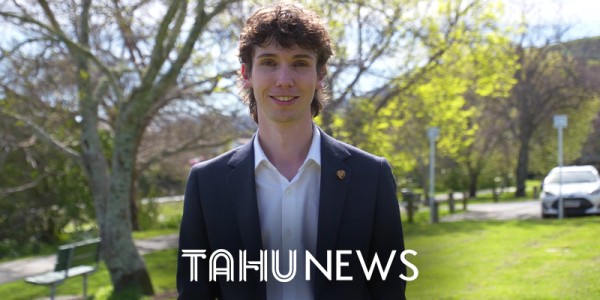
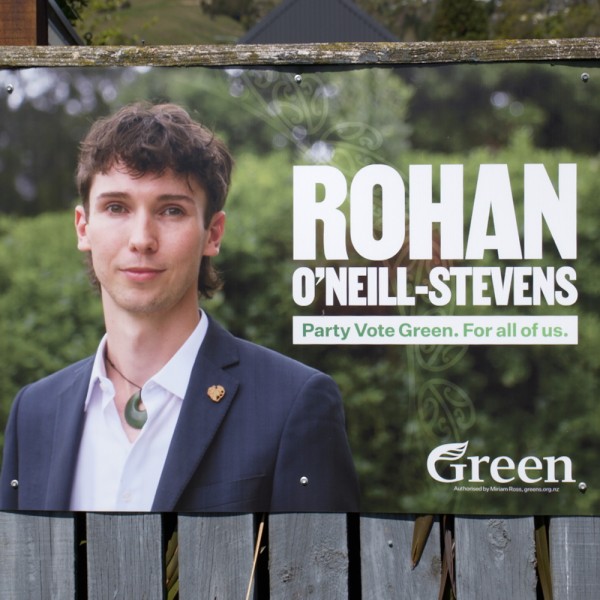
Green Party’s Rohan O'Neill-Stevens says honouring Te Tiriti o Waitangi requires more than recognition, communities should have greater power to make decisions about their own futures.
The Nelson candidate, who is of Ngāti Apakura descent, says local organisations already provide vital support during emergencies and challenging times but have not always received the backing they deserve from government. He points to Whakatū Marae as an example, describing it as a cornerstone of the community during times of crisis.
"Whakatū Marae… plays a critical role every time that there's a crisis or emergency" O’Neill-Stevens adds, "Through upholding Te Tiriti, we strengthen ourselves and can create a brighter future for everyone”.
For O'Neill-Stevens, support for iwi and hapū decision-making is connected to a broader vision of tino rangatiratanga and fulfilling the commitments made under Te Tiriti. He says empowering communities would create stronger outcomes not only for Māori, but for the wider region as well.
"There was only one party that was fully committed to recognising Te Tiriti as the founding document of this nation."
Recognition of Te Tiriti was also a major factor in his decision to join the Green Party. Raised in what he describes as a "politics-light, values-heavy” household, O'Neill-Stevens says he grew up with an emphasis on looking after others, caring for the environment and challenging inequality rather than strong party loyalties.
At 26, O'Neill-Stevens is part of a younger generation seeking to enter Parliament. Having spent most of his life in Whakatū, he says the region's challenges are personal to him.
His first taste of elected office came in 2019 when he became the youngest person elected to Nelson City Council. Three years later he was appointed deputy mayor, becoming one of the region's youngest senior political leaders.
O'Neill-Stevens says those years provided valuable experience, but also exposed the limits of what could be achieved through local government alone. While councils can influence change within their communities, he believes many of the economic and social challenges facing New Zealand require action at a national level.
"We know is that we have enough in Aotearoa for everyone to lead a good life."
According to O'Neill-Stevens, wealth inequality and poverty continue to leave many New Zealanders struggling despite living in a country with significant resources. That belief ultimately led him to pursue central government, where he sees greater opportunity to influence national policy.
On the campaign trail, he says the challenges raised most often by voters are rising living costs and pressure on public services. Many residents, he says, describe working hard while still struggling to cover household expenses, while healthcare concerns continue to surface across the electorate.
O'Neill-Stevens has also voiced concerns about the scale of planned investment in the Nelson Hospital redevelopment, arguing the region will require greater support in the years ahead.
But with election day approaching, he says his campaign is ultimately about restoring hope and rebuilding public confidence in politics. He wants people who feel disconnected from the political system to recognise they still have a place within it.
"That's how we're going to transform this country, is by making sure that every voice is heard, that those who have been systematically pushed out of politics realise that politics is just all of us, it's us and our collective desires and our collective aspirations, and it's incumbent upon politicians to do the work to rebuild trust, and then to deliver on the needs of those people.”

|
|
|
Hei tā O'Neill-Stevens, he uri nō Ngāti Apakura, kua roa ngā rōpū ā-hapori e tautoko ana i te iwi i ngā wā ohorere, engari kāore anō kia tino tautokona e te kāwanatanga. Ko Whakatū Marae tētahi o ōna tauira, e ai ki a ia he pou tokomanawa tēnei whare mō te hapori i ngā wā mōrearea.
"Whakatū Marae... plays a critical role every time that there's a crisis or emergency" e ai ki a O’Neill-Stevens, "Through upholding Te Tiriti, we strengthen ourselves and can create a brighter future for everyone”.
Ki a O'Neill-Stevens, ko te tautoko a ngā iwi me ngā hapū tētahi wāhanga nui o te whakatinana i ngā oati o Te Tiriti me te whai ki te tū motuhake ai ngā hapori Māori. Hei tāna, mā te tuku mana ki ngā hapori ka whai hua te Māori me te iwi.
"There was only one party that was fully committed to recognising Te Tiriti as the founding document of this nation" hei tāna.
Ko tā O'Neill-Stevens, ko te tū a Te Pāti Kākāriki ki Te Tiriti o Waitangi tētahi tino take i uru ai ia ki taua rōpū. I whakatipuria ia i roto i tētahi kāinga i aro nui ki ngā uara, kaua ki ngā rōpū tōrangapū, ā, ko te manaaki tangata, te tiaki i te taiao ētahi o aua mātāpono i kawea ake ai ia.
E 26 ōna tau, ā, kua roa ia e noho ana ki tōna kāinga o Whakatū. Hei tāna, nā taua hononga ki te rohe ka mārama ake ia ki ngā hiahia me ngā wero kei mua i te aroaro o te hapori.
Nō te tau 2019 ia i pōtitia ai ki te Kaunihera o Whakatū, ā, ko ia te kaikāunihera pōtiki rawa kia whai tūru ki reira. Nō muri mai, i te tau 2022, ka eke ia hei koromatua tuarua mō te rohe.
Hei tāna, ahakoa ngā hua i puta i tana wā ki te kaunihera, he nui ngā take kāore e taea te whakatika mā te tēpu kāwanatanga ā-rohe.
"We know that we have enough in Aotearoa for everyone to lead a good life."
E mea ana a O'Neill-Stevens, ko ngā utu noho me ngā manarite-kore ā pūtea ētahi o ngā āwangawanga nui mō te tokomaha o ngā whānau o Aotearoa. Nā taua whakaaro i whakatau ai ia kia whai wāhi ki te tōrangapū ā-motu.
I a ia e hāereere ana i te rohe ki te whakatairanga i tana kaupapa pōti, ko te utu noho me te pēhanga ki ngā ratonga tūmatanui ngā tino take e rangona nuitia ana i ngā kaipōti. Hei tāna, ahakoa te kaha o te mahi a te tokomaha, e uaua tonu ana ētahi ki te whakatutuki i ngā whakapaunga o ia rā.
Kua kōrero hoki ia i ōna māharahara mō te whakawhanaketanga o Te Hōhipera o Whakatū, me tana whakapono me nui ake ngā whakapaunga pūtea ki te whakatutuki i ngā hiahia o te rohe ā ngā tau e tū mai nei.
I te tata haere o te rā pōti, e kī ana a O'Neill-Stevens ko te tūmanako te kaupapa matua o tana pakanga pōti. Hei tāna, me whakahoki anō te whakapono o te iwi ki te ao tōrangapū, ā, me mōhio hoki te hunga kua momotu atu i taua ao he wāhi tonu mōna.
"That's how we're going to transform this country, is by making sure that every voice is heard, that those who have been systematically pushed out of politics realise that politics is just all of us, it's us and our collective desires and our collective aspirations, and it's incumbent upon politicians to do the work to rebuild trust, and then to deliver on the needs of those people.”