

Nā Hora Kairangi Nicholas tēnei atikara
Poll sparks fiery exchanges in Te Tai Tonga debate
Tensions flared early in the first Te Tai Tonga electorate debate as candidates clashed over a new poll that placed Labour's Mananui Ramsden comfortably ahead of the field.
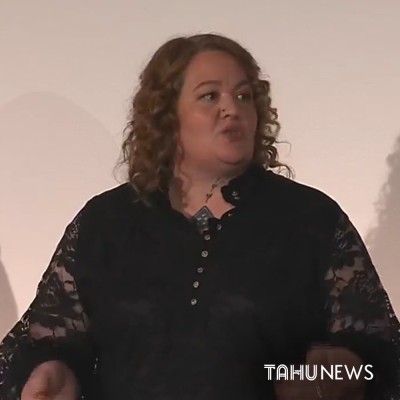
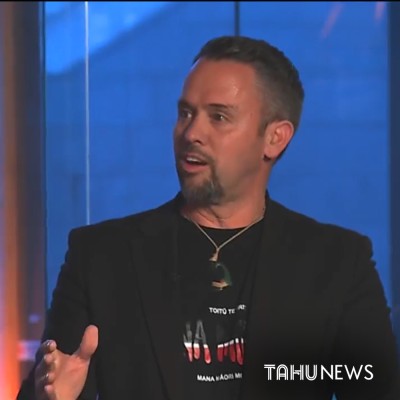
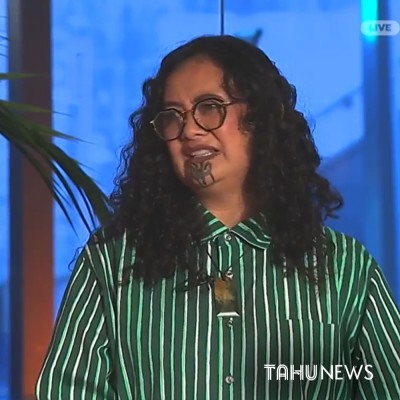
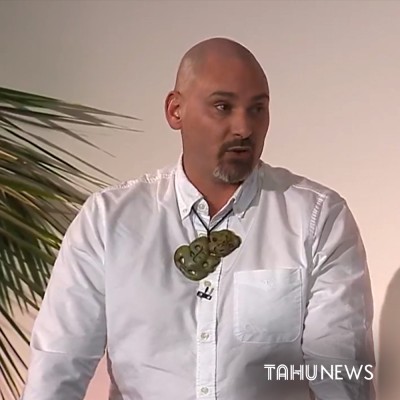
Hosted by Whakaata Māori at Te Herenga Waka Victoria University of Wellington, the debate brought together Labour Party candidate Mananui Ramsden, Te Pāti Māori candidate Lisa Marie Murch, Green Party candidate Dr Lisa Te Morenga, and incumbent MP Tākuta Ferris, who is standing as an independent after being expelled from Te Pāti Māori.
Poll sparks pushback
The debate began just hours after a Whakaata Māori-Curia poll showed Ramsden leading on 30%, ahead of Murch on 17%, Te Morenga on 16%, and Ferris on 15%.
Asked about his support sitting at 15%, Ferris dismissed the poll's significance.
"I'm never too worried about polls. Given where it came from, we're not too worried about it," he said.
Murch and Te Morenga also questioned the poll's ability to predict the final outcome, pointing to previous elections where voter behaviour differed from polling results.
"It's an indication," Murch said. "What that indication tells us is that it's anyone's race standing right here, right now."
Ramsden largely stayed out of the polling debate, instead focusing on issues he said whānau across Te Tai Tonga were raising most often, including housing, affordability and access to essential services.
Conducted by Curia Market Research. Sample: 500 Māori adults enrolled in Te Tai Tonga. Maximum margin of error +4.5%
Heated exchanges
Some of the night's most heated moments centred on Ferris' split from Te Pāti Māori and the circumstances that led to Murch becoming the party's candidate.
Ferris defended his parliamentary record and argued that being independent would allow him to focus solely on delivering for Te Tai Tonga.
Te Morenga used the debate to promote Green Party priorities, including tackling inequality, supporting rangatahi and addressing climate change. She was also questioned about the party's position on the proposed Kermadec Ocean Sanctuary and its potential impact on Ngāi Tahu fisheries interests with no knowledge of the proposal.
Questions from the audience
Audience members raised concerns about recent coalition government proposals affecting the Waitangi Tribunal and asked what support parties would offer tauira following the removal of Fees Free and public transport subsidies for those under 25.
A further question from the live comments section focused on proposed RMA reforms and how future planning laws could balance economic growth with environmental protection.
Ramsden said Labour would honour Mana Whakahono ā Rohe agreements. Murch said her party would repeal some provisions and review how they operate, citing concerns about impacts on Treaty settlements and iwi. Te Morenga argued economic priorities should not come at the expense of environmental and community wellbeing, while Ferris stressed the importance of Māori having a seat at the decision-making table.
While the discussion highlighted differing views on Treaty relationships and iwi participation, candidates offered little detail on how they would balance development with long-term environmental outcomes.
Promises and priorities
Asked what their first priority would be in their first 100 days in Parliament, Ramsden said Labour's SolarSaver policy would be ready to launch by 8 November. However, when moderator Maiki Sherman pressed him on whether Labour leader Chris Hipkins was aware of the commitment, Ramsden sidestepped the question, responding: "I'm here to hold it down for Te Tai Tonga."
Ferris said his first priority would be reinstating Te Pūtahitanga o Te Waipounamu, while Te Morenga said she would advocate for the Green Party's tax plan unveiled earlier this year.
Ramsden also faced questions about where his loyalties would lie if Labour's position conflicted with the interests of Te Tai Tonga. While initially saying both were equally important, he later stressed that he would work alongside any party if it meant delivering results for communities across the electorate.
Murch closed that part of the discussion by reiterating Te Pāti Māori's position that the current Government needed to be voted out, urging supporters to give their party vote to either Labour or the Greens.
The debate gave voters a clearer picture of each candidate's priorities and political approach. With election day approaching, attention will now turn to whether those promises can be translated into meaningful outcomes for the people of Te Tai Tonga.
|
|
|
|