
Nā Hora Kairangi Nicholas tēnei atikara
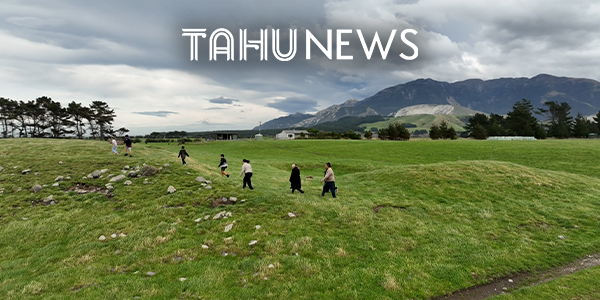
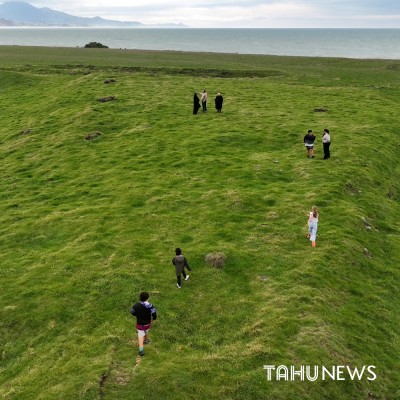
Ngāti Kurī have gained ownership of a significant ancestral pā site near the mouth of the Waiautoa (Clarence River), marking the return of 45 hectares of land to Ngāi Tahu after more than a century in private hands.
The purchase of Matariki Pā, north of the Waiautoa, was finalised earlier this month through Te Rūnanga o Kaikōura and land owner, John Murray and his whānau, allowing the hapū of Ngāti Kurī to reclaim a site regarded as the first Ngāi Tahu pā established in Te Waipounamu and one of their earliest footholds in the region.
"We own the story. But we've always been looking from the outside," Manawatu says. "But to be able to own the whenua, and own the story … that is rangatiratanga."
For Ngāti Kurī kaumātua, Maurice Manawatu, the return of the whenua represents more than a land transaction.
Matariki Pā was established pre-European settlement by Ngāti Kurī rangatira Tūteurutira near the mouth of the Waiautoa (Clarence River). Its origins are tied to early movements between iwi in Te Waipounamu.
"It is significant because that was the first footprint of Ngāi Tahu within what is our takiwā today” says Manawatu. He refers to his memory of historical manuscripts.
After crossing from Te Ika-a-Māui, Ngāi Tahu established a foothold at Kaihinu Pā in Kura Te Au (Tory Channel). During later conflicts with Rangitāne, Ngāi Tahu chief Tūteurutira took Hinerongo captive, believing she was Rangitāne. After discovering she was a high-ranking Ngāti Māmoe woman, he returned her to her people, helping forge an alliance that later led to their marriage and the establishment of Matariki Pā.
"Over the years, I knew of the significance of the pā and would bring Ngāi Tahu whānui," Manawatu said. "A couple of years ago, I rang up because we had a group, and the Murrays said, 'Would you be interested in buying it?'"
The land left Ngāi Tahu ownership in the 19th century. According to Manawatu, it was sold by the government in the mid 1800’s and later purchased by the Murray family in the 1900’s, remaining in the family for four generations.
“We always knew … I remember my father working this ground with a tractor and walking behind it to see if there was any greenstone,” said John Murray.
A third generation farmer, Murray says his family knew the area had “already been fossicked over by people”
"I don't think we really appreciated how important this was to the Rūnanga," he said.
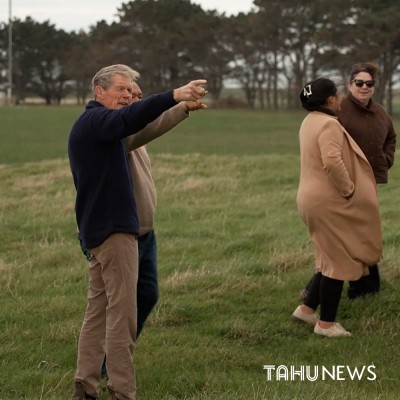
The purchase finalised earlier this month followed years of relationship-building between Ngāti Kurī and the Murray family. Manawatu regularly brought Ngāi Tahu whānau to the site for historical tours, sharing its significance and strengthening ties with the landowners.
“I'm very happy as long as I live in Clarence to look after it for Maurice … very happy to do that because I feel it's just what I need to do and what I want to do” Murray said. “It’s going to a good home”.
The Rūnanga has chosen to engage in a grazing lease agreement with the Murray family for 5 plus years. Chair of Te Rūnanga o Kaikōura, Hariata Kahu says this is a way to ensure the land is being cared for while the hapū looks towards the future of their pā.
“I think for now, it's just knowing that we can walk on our whenua, it’s our whenua.” said Kahu.
Kahu said securing the funding required to purchase the land was initially a concern for the hapū, but support from Ngāi Tahu proved crucial.
"Everybody was so pleased," she said. "I think the concern may have been, can we afford this? How can we do that? I really take my hat off to Ngāi Tahu in this respect … They know the significance not only to us as a hapū, but also to the iwi as a whole."
Future plans are yet to be decided for the land but discussions have been had around restoring traditional kūmara cultivation practices and rebuilding elements of the historic settlement.
"A recreation of the pā would be pivotal," Kahu said. "But I think now for the first five to 10 years it will be farmed by the Murray family. That's really to give us the time to decide as a hapū what we want to do."
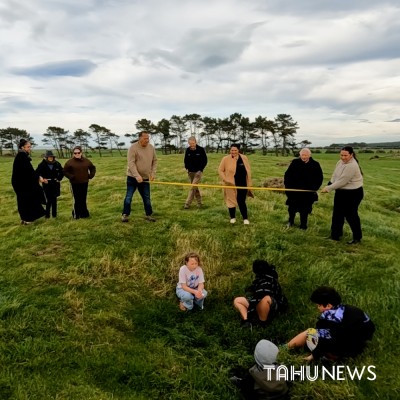
Ngāti Kurī will formally celebrate the return of Matariki Pā on Saturday 18 July, when whānau can gather on the whenua for a Matariki celebration. Preparations include reconstructing traditional dwelling pits and a dawn ceremony.
|
|
|
Kua riro mai anō i a Ngāti Kurī te mana whenua o tētahi pā tūpuna whakahirahira e takoto ana ki te pūaha o te awa o Waiautoa. Nā tēnei hokonga i whakahoki mai ai ngā heketea whenua e 45 ki raro i te mana o Ngāi Tahu, whai muri i te neke atu i te kotahi rau tau e noho ana taua whenua i raro i te mana tūmataiti.
Nō tēnei marama i tatū te hoko o Matariki Pā nā te mahi ngātahi a Te Rūnanga o Kaikōura me te kaipupuri whenua, a John Murray me tōna whānau. Nā konei i taea ai e te hapū te whakahoki mai i te pā tuatahi o Ngāi Tahu ki Te Waipounamu.
Hei tā Maurice Manawatu "We own the story. But we've always been looking from the outside. But to be able to own the whenua, and own the story … that is rangatiratanga."
E ai ki a Maurice Manawatu, he kaumātua nō Ngāti Kurī, ehara tēnei whakahokinga whenua i te hokonga noa iho.
I whakatūria a Matariki Pā i mua i te taenga mai o te Pākehā e te rangatira o Ngāti Kurī, e Tūteurutira, ki te pūaha o Waiautoa. E hono ana tōna takenga mai ki ngā hekenga me ngā hononga iwi puta noa i Te Waipounamu.
“Ko tōna hiranga, koinei te tapuwae tuatahi o Ngāi Tahu ki roto i tō t
"It is significant because that was the first footprint of Ngāi Tahu within what is our takiwā today.” I kī a Manawatu, i a ia e hāngai ana ōna kōrero ki ngā tuhinga hītori e maumahara ana ia.
Whai muri i te whakawhitinga mai o Ngāi Tahu i Te Ika-a-Māui, ka whakatūria e rātou tētahi tūrangawaewae ki Kaihinu Pā i Kura Te Au. I ngā pakanga i muri mai ki a Rangitāne, ka mau hereheretia e Tūteurutira a Hinerongo, i runga i tōna whakapono he wahine nō Rangitāne ia. Nō tana mōhio he wahine rangatira nō Ngāti Māmoe kē, ka whakahokia ia ki tōna iwi. Nā taua mahi i whakapakari ai tētahi hononga i waenganui i ngā iwi e rua, ā, nō muri mai ka mārena rāua, ka whakatūria hoki a Matariki Pā.
Hei tā Manawatu, "Over the years, I knew of the significance of the pā and would bring Ngāi Tahu whānui … A couple of years ago, I rang up because we had a group, and the Murrays said, 'Would you be interested in buying it?'"
I wehe atu te whenua i te mana o Ngāi Tahu i te rautau tekau mā iwa. Hei tā Manawatu, nā te kāwanatanga i hoko atu i waenganui o ngā tau 1800, ā, nō muri mai ka hokona e te whānau Murray i ngā tau tīmatanga o te rautau rua tekau. E whā ngā reanga o taua whānau i pupuri ai i te whenua.
“We always knew … I remember my father working this ground with a tractor and walking behind it to see if there was any greenstone,” E ai ki a John Murray.
He kaipāmu reanga tuatoru a Murray. Hei tāna, i mōhio tōna whānau kua roa kē te wāhi nei e torotorohia ana e te tangata.
Ko te hokonga i tatū i tēnei marama he hua nō ngā tau maha o te whakapakari hononga i waenga i a Ngāti Kurī me te whānau Murray. I ngā wā ka kawea e Manawatu ngā whānau o Ngāi Tahu ki reira mō ngā hīkoi hītori, i whakatau ai i te hiranga o te wāhi, ā, i kaha ake hoki ngā taura tangata ki ngā taha e rua.
Hei tā Murray, “I'm very happy as long as I live in Clarence to look after it for Maurice … very happy to do that because I feel it's just what I need to do and what I want to do … It’s going to a good home”.
Kua whakaae te Rūnanga kia noho tonu te whānau Murray hei kaiahuwhenua mō te neke atu i te rima tau. Hei tā Hariata Kahu, te Heamana o Te Rūnanga o Kaikōura, mā tēnei huarahi e noho pai ai te whenua, ā, ka whai wā te hapū ki te whakamahere mō ngā tau e heke mai nei.
“I think for now, it's just knowing that we can walk on our whenua, it’s our whenua.” E ai ki a Kahu.
Hei tā Kahu, i te tīmatanga i māharahara te hapū mō te pūtea hoko whenua, engari nā te tautoko a Ngāi Tahu i taea ai te whakatutuki.
"Everybody was so pleased," she said. "I think the concern may have been, can we afford this? How can we do that? I really take my hat off to Ngāi Tahu in this respect … They know the significance not only to us as a hapū, but also to the iwi as a whole."
Kāore anō kia whakatauria ngā whakamahinga mō te anamata, engari kua puta kē ngā kōrero mō te whakahoki mai i ngā tikanga whakatipu kūmara o nehe, me te hanga anō i ētahi wāhanga o te kāinga tawhito.
Hei tā Kahu, "A recreation of the pā would be pivotal. But I think now for the first five to 10 years it will be farmed by the Murray family. That's really to give us the time to decide as a hapū what we want to do."
Ka whakanui a Ngāti Kurī i te hokinga mai o Matariki Pā ā te Rāhoroi, te 18 o Hūrae, ā ka hui mai ngā whānau ki runga i te whenua. Ko ngā whakaritenga, ka whai wāhi te hanga anō i ngā rua noho o nehe katahi ka tū he karakia ata hāpara.
|
|