
Nā Hora Kairangi Nicholas tēnei atikara
When Tāme Iti first arrived in Christchurch in 1968, he was part of a generation of rangatahi Māori encouraged to leave their homes and undertake trade training in Aotearoa cities. Decades later, that period of his life remains a defining chapter of Mana, the memoir that traces not only his own journey, but the wider experiences of Māori navigating a changing Aotearoa.
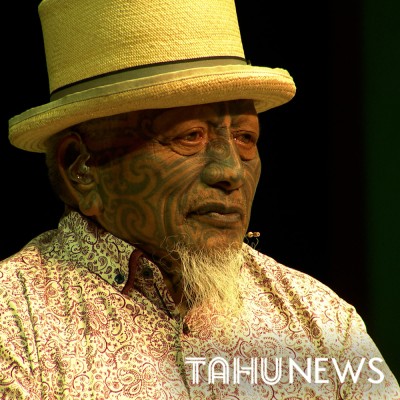
Speaking at WORD Christchurch, Iti described Mana as a reflection on the hīkoi travelled by his generation, a journey that took him from Rūātoki to Ōtautahi and eventually into a lifetime of activism, art and advocacy. WORD describes Iti as one of Aotearoa's most iconic Māori activists, artists and performers, whose life has been shaped by resistance, resilience and rangatiratanga.
Yet when he speaks about Ōtautahi, Iti often returns to a much younger version of himself.
"I haramai au i konei… I rongo kōrero i runga i te pōhēhe, ko wai a Ngāi Tahu? Kua kore kē a Ngāi Tahu" e ai ki a Iti.
Before arriving in Te Waipounamu, his understanding of Ngāi Tahu had been shaped largely by what he had heard growing up, it was only after spending time at Rehua Marae that those assumptions were challenged.
"Ko hua tonu a Ngāi Tahu, ā pōhēhē noa kua hemo kē a Ngāi Tahu" hei tā iti.
But discovering Ngāi Tahu was only one of the revelations that came with life in Ōtautahi. Arriving from Te Urewera as a teenager, Iti found himself exposed to experiences and attitudes that had been largely absent from his upbringing.
"Kāore he whare i konei mō koutou", that was the reality of trying to find a house in Ōtautahi at the time. “Waimarie he hoa pakeha o matou… no matou hoa pakeha tera i whiwhi whare.”
Among the most difficult challenges was finding accommodation after leaving his boarding house. Iti recalls landlords refusing Māori tenants while Pākehā friends often encountered fewer barriers. His experiences reflected challenges faced by many Māori moving into New Zealand's cities during the period, as opportunities for training and employment often sat alongside discrimination in housing and everyday life.
Reflecting on those years, Iti has also spoken about helping establish the Māori Liberation Front in Ōtautahi, a group focused on supporting Māori renters and challenging discriminatory practices.
Those experiences would later become part of Mana.
"He kōrero whakapapa, ki te āhuatanga i ngā hīkoi i hīkoitoa i tōku nei reanga e ngā tamatoa te hunga pēnei i a Whina Cooper mā," e ai ki a ia.
Rather than telling only his own story, Iti says the book records the people, movements and experiences that shaped his generation.
But while much of Mana looks back, Iti's attention is firmly on what comes next.
"Hikaka tōku ngākau koinei te wā e tika ana mō wēnei whakawhiti kōrero e tuku whakaaro, tērā he kauhau, he kaputī … mō tātou i kōrero ki nga take e ahu ana tātou ki whea."
Whether through formal events, community discussions or everyday conversations, he believes people should continue engaging with the issues facing the country.
“Ko tēnei te tau pōti, kua puta ngā kōrero, kaua rawa tātou e tautoko ki ēnei weriweri, ēnei ngā kaikiritanga … kia whakamāorihia, kia hāngai tonu tātou i runga i te Tiriti o Waitangi, koira te taurahere ki a Ngāi tātou.”
For Iti, those discussions are ultimately about the future.
“E haere ana tātou ki whea? He aha te āhuatanga o te ao, anamata, i roto i ngā 50 tau e tū mai nei... Ākene pea tukuna ki ngā mokopuna, nō rātou te ao.”
Drawing on the words of Te Kooti, he said each generation has a responsibility to think about those who will inherit the world that follows.
“I kōrero ai te matua tangata, te kooti, i roto i āna waiata mōteatea: Tēnei te tira hou e haere mai nei nā, kaua te hoko whenua, kaua te waipiro. Ēra momo kōrero i kōrerotia i ēra rautau, koira te āhuatanga ki ōku nei kitenga i tēnei ao e noho nei tātou.”
Nearly six decades after arriving in Ōtautahi as a teenager, Iti returns to the city as an author. But the stories he shared at WORD Christchurch made clear that Mana is about more than one life. It is a record of generations of experiences, the lessons carried forward from them, and the responsibility of passing them on to those still to come.

|

|
|
Nō te taenga tuatahi mai o Tāme Iti ki Ōtautahi i te tau 1968, ko ia tētahi o ngā rangatahi Māori o taua reanga i wehe atu i ō rātou kāinga, ka haere ki ngā tāone o Aotearoa mō ngā akoranga ringarehe. He wā nui tēnei i roto i Mana, tana pukapuka whakamaumahara e whai ana i tana ake hīkoi, me ngā wheako o Ngāi Māori i Aotearoa i te wā e panoni ana te whenua.
Ka hoki a Iti ki tōna hīkoi mai i Rūātoki ki Ōtautahi ki WORD Christchurch, me ngā wheako i arahi i a ia ki te ao tūtohetohe, toi me te tautoko i te iwi. E ai ki a ia, ko Mana te kōrero mō te hīkoi o tōna reanga, kaua mōna anake.
Heoi, ina kōrero ia mō Ōtautahi, ka hoki tonu ia ki tōna wā e rangatahi ana.
"I haramai au i konei… I rongo kōrero i runga i te pōhēhe, ko wai a Ngāi Tahu? Kua kore kē a Ngāi Tahu" e ai ki a Iti.
I mua i tana taenga ki Te Waipounamu, ko ngā kōrero i rangona e ia i a ia e tipu ake ana te pūtake o ōna whakaaro mō Ngāi Tahu. Nā tana noho ki Rehua Marae, ka kite ia kāore aua kōrero i te tika.
"Ko hua tonu a Ngāi Tahu, ā pōhēhē noa kua hemo kē a Ngāi Tahu" hei tā iti.
Ko te mōhio ki a Ngāi Tahu tētahi o ngā wheako hou i pā ki a Iti i Ōtautahi ā ka tūtaki hoki ki ngā āhuatanga kāore i tino mōhiotia e ia i tōna ao i mua.
"Kāore he whare i konei mō koutou" e ai ki a Iti koira te āhua o te kimi whare i Ōtautahi i taua wā. “Waimarie he hoa pakeha o matou… no matou hoa pakeha tera i whiwhi whare.”
I kitea e ia te whakahāwea ki te Māori i te kimi whare, i te wā e māmā ake ana ngā ara mō ōna hoa Pākehā. Ko aua wheako he wāhanga nō ngā āhuatanga i pā ki te Māori e neke atu ana ki ngā tāone o Aotearoa i taua wā, i te wā tonu e rapu ana rātou i ngā whai wāhitanga ki te ako me te mahi.
Nō muri mai, ka whai wāhi a Iti ki te whakatū i te Māori Liberation Front ki Ōtautahi, hei tautoko i te Māori e kimi whare ana, hei whakahē hoki i ngā mahi whakahāwea.
Ka noho aua wheako ki roto i Mana.
"He kōrero whakapapa, ki te āhuatanga i ngā hīkoi i hīkoitoa i tōku nei reanga e ngā tamatoa te hunga pēnei i a Whina Cooper mā," e ai ki a ia.
Ko te aronga o Mana, ki a Iti, ko te hīkoi o tōna reanga, ngā tāngata, ngā kaupapa me ngā wheako i waihanga i tō rātou ao.
Engari, ahakoa te titiro whakamuri ki ngā tau kua pahure, kei te titiro whakamua tonu a Iti.
"Hikaka tōku ngākau koinei te wā e tika ana mō wēnei whakawhiti kōrero e tuku whakaaro, tērā he kauhau, he kaputī … mō tātou i kōrero ki nga take e ahu ana tātou ki whea."
E ai ki a ia, me noho tonu te kōrero hei wāhi mō te whakaaro tahi ki ngā take e pā ana ki te whenua me te wā kei mua i a tātou.
“Ko tēnei te tau pōti, kua puta ngā kōrero, kaua rawa tātou e tautoko ki ēnei weriweri, ēnei ngā kaikiritanga … kia whakamāorihia, kia hāngai tonu tātou i runga i te Tiriti o Waitangi, koira te taurahere ki a Ngāi tātou.”
Mō Iti, ko te pātai nui ko te āhua o te ao ka tukuna ki ngā reanga e whai ake nei.
“E haere ana tātou ki whea? He aha te āhuatanga o te ao, anamata, i roto i ngā 50 tau e tū mai nei... Ākene pea tukuna ki ngā mokopuna, nō rātou te ao.”
Ka hoki ia ki ngā kōrero a Te Kooti hei whakaarotanga mō te kawenga o ia reanga ki te hunga ka whai ake.
“I kōrero ai te matua tangata te kooti i roto i ana waiata moteatea tenei te tira hou e haere mai nei na, kaua te hoko whenua kaua te waipiro era momo kōrero i korerotia i era rautau, koira te ahuatanga ki oku nei kitengai tenei ao e noho nei taua.”
Tata ki te ono tekau tau kua pahure mai i tana taenga mai ki Ōtautahi, kua hoki mai a Iti ki te tāone hei kaituhi. Engari ko ngā kōrero i WORD Christchurch e whakaatu ana, he nui ake *Mana* i te kōrero mō te tangata kotahi. Ko te hīkoi o tētahi reanga, ngā wheako i puta i taua hīkoi, me ngā akoranga ka tukuna ki te hunga ka whai ake.