
Nā Shakayla Andrews-Alapaki tēnei atikara.
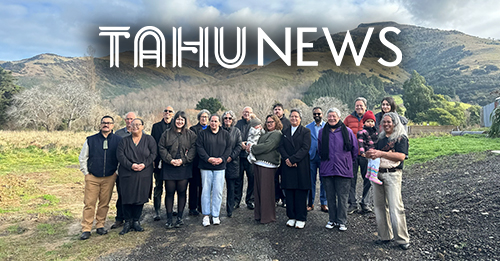
Wairewa Marae has unveiled a new nature-based wastewater system, designed to combine modern engineering with mātauranga Māori.
Project lead Kiri Panirau says the initiative represents a forward-thinking approach to environmental care and infrastructure, while remaining grounded in cultural knowledge.
“I think it's front footing it, leading the way to combining modern technology with mātauranga Māori practices,” she said.
The system replaces ageing septic tanks that were nearing the end of their life cycle, with concerns they could leach into the whenua.
Panirau says protecting the environment was a key driver behind the project.
KA MOE TE MĀTAURANGA MĀORI ME TE MĀTAURANGA PŪTAIAO
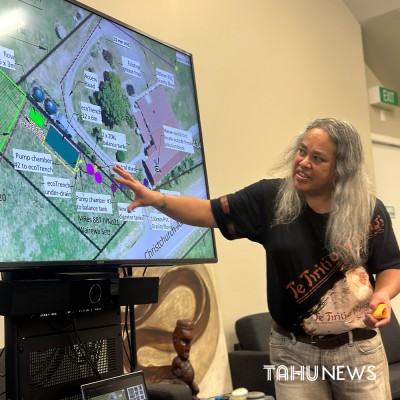
The new system uses three natural filtration beds made up of plants and organic material, which help treat wastewater before it returns to the land.
Wastewater is treated through a series of tanks where solids settle and are naturally broken down by bacteria. The clarified liquid then passes through a planted gravel wetland, a woodchip filtration bed, and finally a vegetated seepage area, providing further natural treatment before being dispersed.
Over a five-year development period, engineer Andrew Dackers worked closely with the marae to design a system that could handle both everyday use and large gatherings such as tangihanga.
He said understanding marae operations was essential to designing an effective solution.
“I talked to the local marae committee people and got them to tell me typical activity over 365 days of the year,” Dackers said.
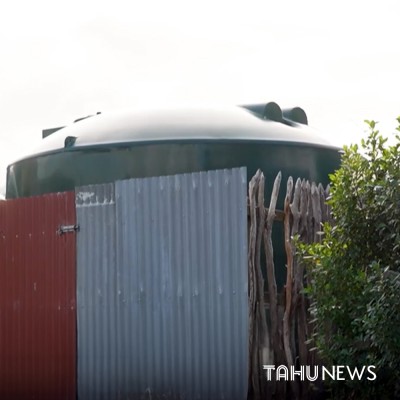
The system was designed to treat no more than 1,000 litres per day, with a balance tank regulating flow to the land.
The onsite wastewater management system was installed by All About Sewage (AAS). The company was responsible for the full installation of the system, which project contributors described as a challenging but successful construction process.
NGĀ TAERO A KUPE
The project faced early challenges, including the impacts of COVID-19, rising costs, weather events and initial concerns from whānau.
“The first challenge from the outset was COVID so that held us in our tracks. Then it came down to costs,” Panirau said.
“Probably the biggest challenge though I personally had was engaging whānau.”
However, she says those concerns have since eased, with increased understanding and support from the community.
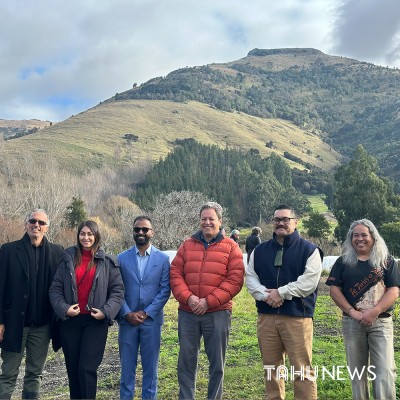
PHD researchers from the University of Canterbury have also been involved in monitoring the system to assess its effectiveness and long-term outcomes for Wairewa Marae.
The initiative is being seen as a model for environmentally sustainable wastewater solutions that integrate indigenous knowledge and modern science.
Funding for construction of the new system has come from multiple sources including the Department of Internal Affairs, Rata Foundation and the rūnanga itself.
|
|
|
Kua whakarewaina e te marae o Wairewa tētahi pūnaha paru wai kia whakakōtahi ai ngā mātauranga mātai pūhanga me te mātauranga Māori.
E ai ki a Kiri Panirau, e whakatinana ana tēnei kaupapa kakama i te taha tiaki i te tiako me te waihanga mā te ū ki ngā mātauranga ahurea.
“I think it's front footing it, leading the way to combining modern technology with mātauranga Māori practices,” hei tāna.
E whakakapi ana tēnei pūnaha i ngā kura parakaingai tawhito me te āwangawanga ka papī te paru wai ki te whenua.
Hei tā Panirau, ko te tiaki i te taiao te pūtake o tēnei kaupapa.
KA MOE TE MĀTAURANGA MĀORI ME TE MĀTAURANGA PŪTAIAO
E whakamahi ana tēnei pūnaha i ngā wē tātari e toru. He mea waihanga mai i ngā tipuranga me ngā oneone, ā, ka hāpai i te paru wai i mua i tana hoki atu ki te whenua.
Mā te whakatū kura parakaingai me te āta wetewete i ngā totoka mā te huakita. Kātahi ka rere te wē ki roto i tētahi kūkūwai, i tētahi wē tātari rākau, ka mutu, ka rere ki tētahi wāhi e kīa nei ‘vegetated seepage’. Mā tērā e hāpai i tērā whakatika para i mua i tōna hōrapa haere.
I ēnei tau e rima, i mahi tahi a Andrew Dackers, he kaimātai pūhanga, ki te marae kia waihanga he pūnaha kia whakamahi mō ngā kaupapa o ia rā ne ngā kaupapa nunui pēnei i te tangihanga.
Hei tāna, mā te mārama i ngā āhuatanga me ngā nekehenga o te marae te matiu ki te whakahoahoa i te pūnaha.
“I talked to the local marae committee people and got them to tell me typical activity over 365 days of the year,” hei tā Dackers.
Ko te pūtake o te pūnaha hei whakatika para, kia kaua e neke atu i te 1,000 rita, ā, he kurawai e waeture ana i te rere o te para ki te whenua.
Nā All About Sewage (AAS) tēnei pūnaha i whakatō ai ki te marae. Ko rātou anakē i whakatō tēnei, ā, e ai ki ētahi atu kaitāpaetanga, ahakoa ōna wero, i tutuki pai te taha waihanga.
NGĀ TAERO A KUPE
I pāngia mai ko ngā taero a Kupe ki tēnei pūnaha pēnei i ngā āhuatanga o te Kōwheori-19, te piki haere o te utu, ngā take huarere me ngā āwangawanga o ngā whānau.
“The first challenge from the outset was COVID so that held us in our tracks. Then it came down to costs,” ko tā Panirau.
“Probably the biggest challenge though I personally had was engaging whānau.”
Heoi, ko tāna, kua tau ērā māharahara me te piki haere o te māramatanga me te tautoko mai i te rūnanga.
Kua whai wāhi mai ētahi kairangahau nō Te Whare Wānanga o Waitaha hei mōnita i te pūnaha kia arotakengia ngā kawekawe me ngā hua nui o Wairewa.
He tauira tēnei kaupapa mō ngā whakataunga para wai e pāhekoheko ana i te mātauranga Māori me te mātauranga pūtaiao.
I ahu mai te pūtea mō te hanga i te pūnaha hōu mai i ngā puna maha pēnei i Te Tari Taiwhenua, Rata Foundation me te rūnanga anō hoki.