
Nā Hora Nicholas tēnei atikara.
Kaihaka and haka fanatics from Te Waipounamu are abuzz after this month’s Waitaha Senior Kapa Haka draw announcement, with a record 19 kapa competing for five spots at Te Matatini.
“Kei te pūrei mātou i te kēmu” says Jahmaine Manawaroa Cummings.
The rules for qualifiers for the Te Matatini National Festival are based on a regional ratio system. If 2–4 kapa perform, one group qualifies; if 5–8 kapa perform, two groups qualify. Because Waitaha sits in the 17–20 kapa range, they are expected to make regional history by sending five qualifying groups to Te Matatini.
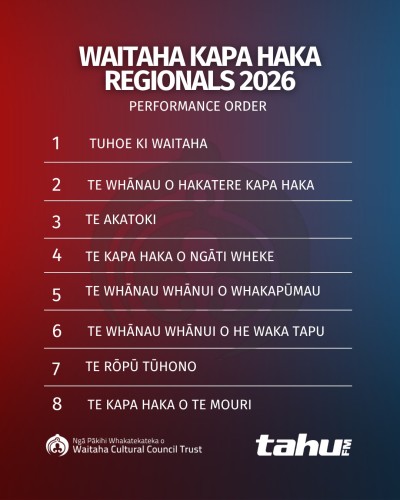
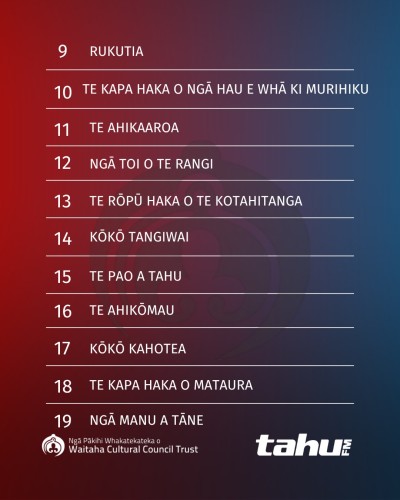
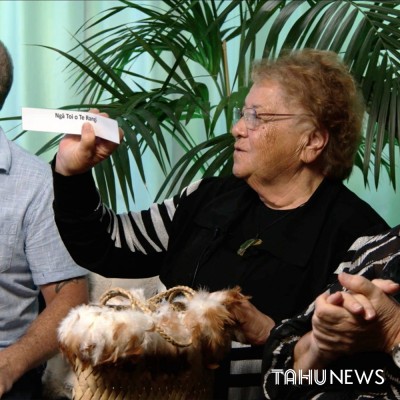
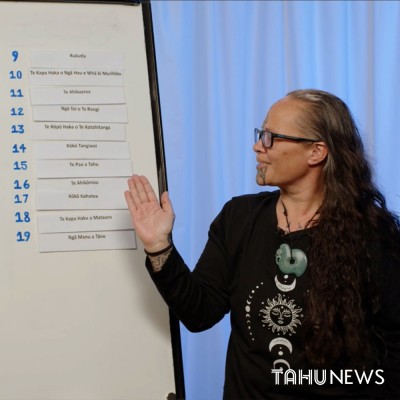
The draw, announced this month, places strong contenders across the day, from early starters Tūhoe ki Waitaha to closing group Ngā Manu a Tāne, with key contenders clustered through the middle of the schedule. With only five spots available, every position carries weight.
|
|
“You don’t have to wake up too early to get ready, and there’s still space to sort of take in the day”
Cummings says he would prefer to perform closer to midday, when energy levels are higher. Groups expected to make a mark in the middle section include 2025 Te Matatini qualifiers Te Kapa Haka o Ngā Hau e Whā ki Murihiku, and Te Ahikaaroa, which earned the region’s highest placing at Te Matatini. The most recent regional winners, Kōkō Tangiwai, are also predicted to make an impact on the competition.
“I te roa o te rā, ko taku arohanui ka tuku atu ki ngā rōpū pēnei i a Ngā Manu a Tāne” Cummings says.
The experienced kaihaka and tutor, who is supporting the Waitaha Cultural Council behind the scenes, says the last group of the day will need to consider strategies such as energy levels, but does not doubt Ngā Manu a Tāne’s ability to do so. “Kei a rātou ngā pūkenga, kāore e kore ka eke.”
Cummings’ focus on performance timing is not unique to kapa haka, with similar patterns observed in other settings.
There is no evidence-based research within kapa haka on how performance order affects judging marks. But studies of other judged performance competitions, such as studies by Antipov and Pokryshevskaya “Order effects in the results of song contests,” suggest running order can shape outcomes, with judges naturally comparing performances as the day unfolds and subconsciously favouring acts positioned later in the day. In kapa haka, kaihaka and judges already understand that sequencing, momentum and stage presence can affect reception. While kapa haka competitions cannot be directly compared to singing contests, this helps explain why the draw matters to many groups.
Experienced kaihaka Tihi Puanaki says performance order has long been a point of discussion. The Waitaha Cultural Council and Te Matatini, Life Member, made history leading Te Kotahitanga o Waitaha to the winning spot at the national kapa haka competition in 1977, then known as the New Zealand Polynesian Festival. To this day, they remain the only kapa from the region to win a national title.
“Ko ngā mea aroha ana au ki ngā hoa o Tūhoe, ko rātou te timatatanga o te rā.”
With 19 performances in one day, Puanaki expects an early start for opening group Tūhoe ki Waitaha. She says groups such as Ngā Toi o Te Rangi and Kōkō Tangiwai could benefit from their midday slots, but that the final performance leaves the strongest impression on judges.
“Mehemea ko koe te rōpū mutunga, ko koe te rōpū ka mahara, tino mahara te kaiwhakawā.”
With the draw set and ticket sales live for the event at Wolfbrook Arena, attention now turns to how each kapa will use their position on the day.
|
|
|
Kei te harikoa ngā kaihaka me ngā kaitautoko haka o Te Waipounamu i te putanga o te hōtaka mō Waitaha Senior Kapa Haka. E 19 ngā kapa, e rima ngā tūranga ki Te Matatini.
“Kei te pūrei mātou i te kēmu” e ai ki a Jahmaine Manawaroa Cummings.
Ko ngā ture mō ngā whiringa ki te Te Matatini National Festival e hāngai ana ki tētahi pūnaha ōwehenga ā-rohe.Mēnā e 2–4 ngā kapa ka tū, kotahi te kapa ka uru; mēnā e 5–8, e rua ngā kapa ka uru. Nā te nui o ngā kapa o Waitaha (17–20), e rima ngā kapa ka uru ki Te Matatini, he mea hou mō te rohe.
Kua whakanoho te hōtaka i ngā kapa kaha puta noa i te rā, mai i te tīmatanga me Tūhoe ki Waitaha tae noa ki te kapa whakakapi Ngā Manu a Tāne, ā, kei waenganui tonu ngā tino kaitono i te hōtaka. Nā te mea e rima noa iho ngā tūranga e wātea ana, he nui te taumaha o ia tūnga.
“You don’t have to wake up too early to get ready, and there’s still space to sort of take in the day”
E ai ki a Cummings, ka pai kē ki a ia kia tū tata ki te poutū-te-rangi, i te wā e kaha rere ana te wairua. Ko ngā kapa e whakaarohia ana ka puta i te wāhanga o waenganui ko ngā kaiuru o Te Matatini 2025, arā ko Te Kapa Haka o Ngā Hau e Whā ki Murihiku me Te Ahikaaroa, i whiwhi i te tūnga teitei rawa o te rohe i Te Matatini. E matapaetia ana ka whai pānga nui anō ngā toa ā rohe o te tau 2024, ā Kōkō Tangiwai, ki te whakataetae.
“I te roa o te rā, ko taku arohanui ka tuku atu ki ngā rōpū pēnei i a Ngā Manu a Tāne” i kī a Cummings.
E tautoko ana tēnei mātanga haka, kaiako hoki i te Waitaha Cultural Council, ā, hei tāna, me whai rautaki te kapa whakamutunga mō ngā āhuatanga pērā i te kaha o te tinana, engari kāore ia e ruarua ana ki te āhei o Ngā Manu a Tāne ki te whakatutuki. “Kei a rātou ngā pūkenga, kāore e kore ka eke.”
Ehara te arotahi a Cummings ki te wā tū he mea rerekē ki te ao kapa haka, ā, ka kitea anō ēnei āhuatanga i ētahi atu horopaki.
Kāore anō kia kitea he rangahau mō te pānga o te raupapa tū ki ngā kaute i te ao kapa haka. Heoi, e ai ki te rangahau ‘Order effects in the results of song contests’ nā Antipov rāua ko Pokryshevskaya, ka whai pānga te raupapa tū, ka whakataurite ngā kaiwhakawā i ngā whakaaturanga i te roanga o te rā, ā, ka rata ake ki ērā o muri. I te ao kapa haka, e matua mōhio ana ngā kaihaka me nga kaiako he mea nui te raupapatanga, te rere o te tū me te āhua o te tū ki te atamira. Nō reira, ahakoa he rerekē ngā horopaki, e mārama ana te hirahiratanga o te hōtaka ki ngā kapa.
E ai ki te mātanga haka a Tihi Puanaki, kua roa te raupapa tū e kōrerotia ana. I whai hītori te mema hōnore o Waitaha Cultural Council me Te Matatini i tana ārahi i Te Kotahitanga o Waitaha ki te wikitoria i te whakataetae kapa haka ā motu i te tau 1977, i mōhiotia i taua wā ko te New Zealand Polynesian Festival. Tae noa ki ēnei rā, ko rātou anake te kapa nō te rohe kua toa i tētahi taitara ā motu.
“Ko ngā mea aroha ana au ki ngā hoa o Tūhoe, ko rātou te timatatanga o te rā.”
Nā te mea e 19 ngā whakaaturanga i te rā kotahi, e whakapae ana a Puanaki ka tīmata wawe te kapa tuatahi, arā ko Tūhoe ki Waitaha. E mea ana ia ka whai hua pea ngā kapa pēnei i Ngā Toi o Te Rangi me Kōkō Tangiwai i ō rātou wā tū o te poutū te rangi, engari ko te whakaaturanga whakamutunga ka tino mau ki te hinengaro o ngā kaiwhakawā.
“Mehemea ko koe te rōpū mutunga, ko koe te rōpū ka mahara, tino mahara te kaiwhakawā.”
Kua oti te hōtaka, ā, kua wātea ngā tīkiti mō te whakataetae ki Wolfbrook Arena, kua huri ngā kapa ki te whakamahi i ō rātou tūnga i te rā.