
 Nā Hora Kairangi Nicholas tēnei atikara.
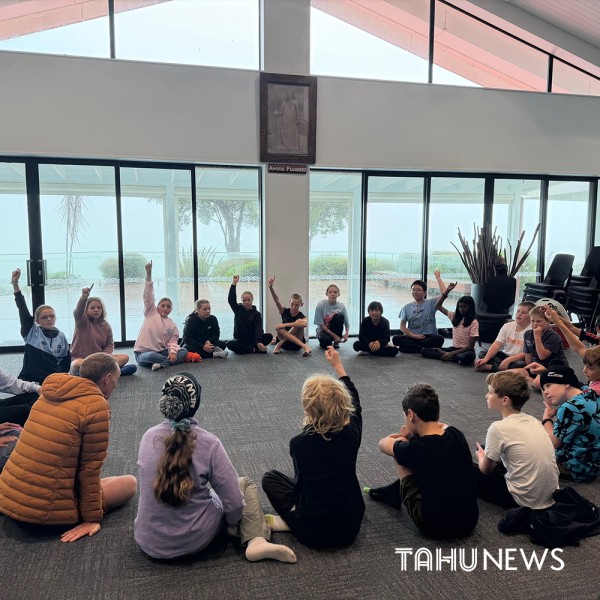
State Highway 75 is now open to the public allowing 60 students of Kahikatea Kirkwood Intermediate School to return home after being stuck at Ōnuku Marae overnight.
Principal Phil Tappenden says the school sends all of their Year Seven students on a marae trip because it’s “really important” - but what was meant to be an overnight trip became a two-night marae stay.
The Horomaka (Banks Peninsula) was put into a State of Emergency at 12pm yesterday following an extreme weather event which caused a series of tree falls, landslips, and severe flooding throughout Canterbury, making roads like this unsafe to travel on. The students, staff, and parent support were meant to return yesterday, but with the highway closed, they had to stay another night.
Tappenden says, “The marae's been incredibly generous with their hospitality. Our children feel they're warm, they're safe, they're dry, they're well fed, and they're well looked after.”
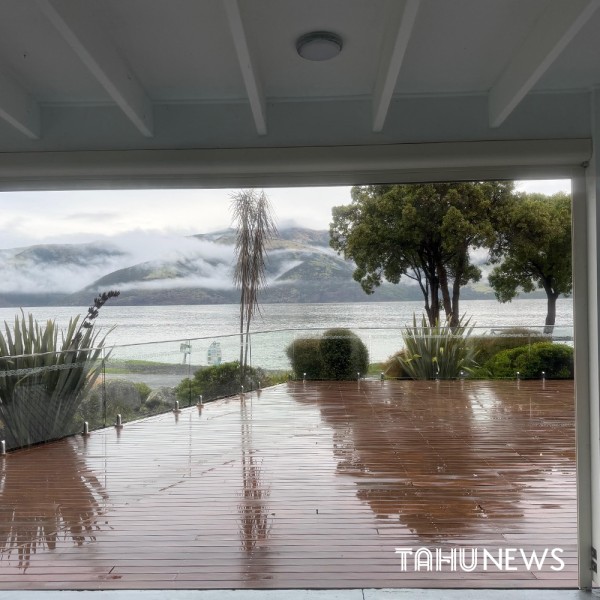
Just May of last year, the wharekai named Amiria Puhirere flooded due to similar weather, and marae staff were forced to stack mattresses against the wharenui to prevent further flooding. This time, local whānau headed out in the rain in the middle of the night to stack sandbags around the marae and redirect rainfall from surrounding hills for the third time this year
Principal Tappenden is excited to see the children reunite with their whānau, who the school have tried to keep “well informed” through phone calls and posts to a student management system called ‘Hero’.
An hour's drive from Ōnuku, recovery efforts began in Wairewa (Little River) earlier today, with residents cleaning their yards after local flooding took to the main road and surrounded many homes.
Bonnie Garner of Ngāi Tahu descent is glad to see the sun again, stating that yesterday she “saw the water flowing in through the garage”. The resident only moved to town six months ago, and she is only one of many who were affected.
Little River is situated in a deep valley with numerous streams and Te Roto o Wairewa (Lake Forsyth) nearby - all of these factors make the town prone to flooding in heavy rain events.
Sharon McIver, a lecturer at Ara Institute who lives in Wairewa, was “trapped in her home for two days”, but she managed to save her car from being swept away by the floods. “I’ve been here 11 years and this is without a doubt way higher than it’s ever come,” she says.
Last night, the Christchurch City Council began to drain Te Roto o Wairewa (Lake Forsyth), reducing surface flooding in the area.
With support and advice from local hapū as well as various agencies such as the council, Fire and Emergency NZ, Civil Defence Emergency Management Canterbury, MetService, and many more, most towns on the Banks Peninsula are on the mend.
Although some are still experiencing power outages, road closures, and are on notice to boil water before consuming it, the rain has cleared and most residents can leave their homes. Meanwhile, Ōnuku Marae is seeking remediation to relocate their driveway and upgrade surrounding land and infrastructure to protect the whare and maintain the marae as a safe space in case of emergencies.
Residents in the midst of an emergency are still encouraged to call 111.
E tūwhera ana te State Highway 75 mō te marea, ā, e āhei ana ngā ākonga e 60 o Te Kura Takawaenga o Kahikatea Kirkwood ki te hoki ki ō rātou kāinga i muri i te noho ki Ōnuku Marae.
E ai ki te tumuaki, a Phil Tappenden, ka tukuna katoatia ā rātou ākonga Tau Whitu ki te marae nā te mea, it’s “ really important” – heoi, ko tā rātou whakaaro, he noho pō kotahi noa iho, ā i huri kē hei noho pō e rua ki te marae.
Inanahi, i te poupoutanga o te rā, i uru atu a Horomaka (Banks Peninsula) ki raro i te Āhuatanga Ohotata, whai muri i tētahi āhuarangi kino rawa atu i hua ake ai te hinganga rākau, te horo whenua, me te waipuke nui puta noa i Waitaha, ā, ka noho mōrearea ngā rori pēnei mō te haere. Ko te hiahia kia hoki ngā ākonga, ngā kaimahi me ngā mātua inanahi, engari nā te katinga o te ara matua, i noho rātou mō tētahi pō anō.
Hei tā Tappenden, “The marae's been incredibly generous with their hospitality. Our children feel they're warm, they're safe, they're dry, they're well fed, and they're well looked after.”
I te marama o Mei o tērā tau, nā ētahi āhuarangi ōrite, i waipuketia te wharekai Amiria Puhirere, ā, i akiakina ngā kaimahi o te marae ki te whakatū whāriki moenga ki te taha o te wharenui hei ārai i te waipuke. Engari i tēnei wā, i puta atu ngā whānau o te kāinga ki te ua i waenganui pō ki te whakatakoto pēke oneone huri noa i te marae ki te ārahi kē i te rere o te ua – koinei te wā tuatoru i tēnei tau.
Nōnaianei, e hīkaka ana te tumuaki, a Tappenden, ki te kite i ngā tamariki e tūtaki ana ki ō rātou whānau, ā, mā ngā waea me ngā pānui ki tētahi pūnaha ākonga ‘Hero’, kua whakapau kaha te kura ki te whakamōhio tonu i a rātou.
Nō te ata nei, kotahi hāora te tawhiti i Ōnuku, i tīmata ngā mahi whakaora i Wairewa (Little River), ā, e whakapaipai ana ngā kainoho i ō rātou whare i muri i te waipuke i rere ki te huarahi matua, ā, i karapoti i ngā whare maha.
E koa ana a Bonnie Garner, he uri nō Ngāi Tahu, ki te kite i te rā, ā, i kī ia, she “saw the water flowing in through the garage”. Kua noho ia ki te tāone mō ngā marama e ono, ā, ehara ia te tāngata anakē i pāngia e te waipuke.
E noho ana a Wairewa i tētahi taiororia hōhonu, a e rere tata ngā awa maha, me Te Roto o Wairewa (Lake Forsyth) – nā ēnei āhuatanga he māmā te pā o te waipuke ki te tāone i ngā wā ua nui.
Kei te noho tata a Sharon McIver, he kaiwhakaako i Ara, ki Wairewa. She was “trapped at home for two days”, engari i taea e ia te rauora i tana motokā kia kore e kahakina e te waipuke. Hei tāna, “I’ve been here 11 years and this is without a doubt way higher than it’s ever come”.
Īnanahi, i tīmata te Kaunihera o Ōtautahi ki te whakaiti i te wai o Te Roto o Wairewa (Lake Forsyth), ā, ka heke iho te waipuke i te takiwā.
Nā te tautoko me te tohutohu a ngā rōpū maha pēnei i te kaunihera, Whakaratonga Iwi, Te Rākau Whakamarumaru, Te Ratonga Tirorangi, me ētahi atu, ka huri te aro o ngā tāone o Horomaka ki ngā mahi whakapaipai me te whakatikatika.
Ahakoa kei te raru tonu ētahi i te kore hiko, i te katinga rori, ā, me ngā pānui kōhua te wai, kua mutu te ua, ā, ka āhei te nuinga o ngā kainoho ki te wehe i ō rātou kāinga. I tēnei wā anō, hei tiaki i te whare, e kimi ana a Ōnuku Marae ki te whakatikatika, kia neke tō rātou tomokanga waka, kia whakahoungia hoki ngā hangahanga whenua, ā, kia mau tonu ai te marae hei wāhi haumaru mō ngā wā ohotata.
Me waea atu ngā kainoho i te ohotata ki te nama waea 111.